
The History of Eastpoint , Atlanta
Introduction: The Rich History of East Point, Atlanta, Georgia
East Point, Georgia, is a historic city with deep roots in transportation, industry, and community growth. Located just southwest of downtown Atlanta, East Point has played an important role in the development of the Atlanta metropolitan area. From its beginnings as a railroad town in the 19th century to its modern revitalization efforts, East Point’s story reflects resilience, transformation, and a strong sense of local identity.
Though smaller than Atlanta itself, East Point has long been a strategic location —shaped by railroads, aviation, and commerce—and continues to evolve as a vibrant city within one of the fastest-growing regions in the United States.
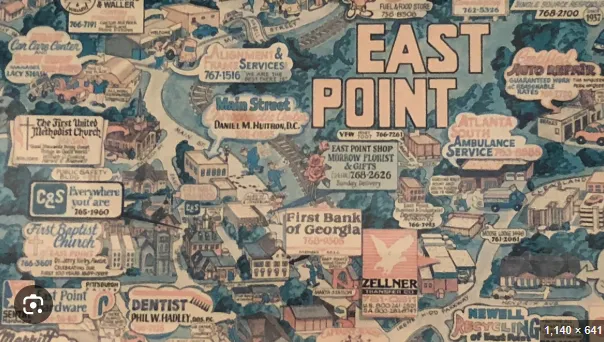
The Founding of East Point: A Railroad Community (1870s)
What To Do If Your Vehicle Has Hail Damage
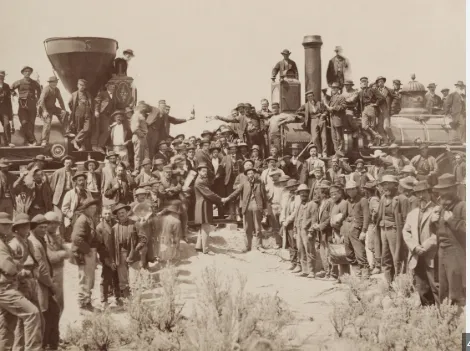
East Point was established in the 1870s as a railroad junction. Its name comes from its location as the easternmost point of the Atlanta & West Point Railroad. This strategic position made it a natural hub for transportation, trade, and settlement.
The arrival of the railroad transformed the area from farmland into a growing town. Workers, merchants, and families settled near the rail lines, and East Point quickly developed as a residential and commercial center connected directly to Atlanta’s expanding economy.
Growth and Development in the Late 19th and Early 20th Centuries
What To Do If Your Vehicle Has Hail Damage
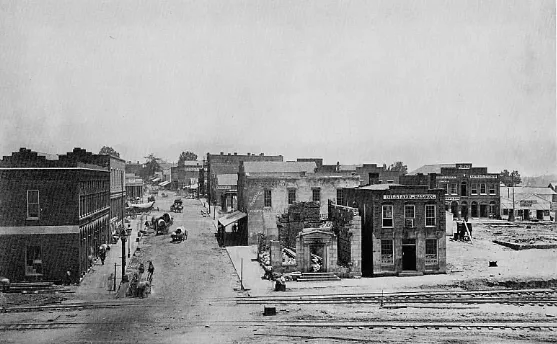
By the late 1800s and early 1900s, East Point experienced steady growth. The city incorporated in 1890, establishing local government and public services. Its proximity to Atlanta allowed residents to benefit from economic opportunities while maintaining a distinct community identity.Homes, schools, churches, and small businesses flourished, creating neighborhoods that still define East Point today. The city became known as a stable working- and middle-class community, supported by railroad jobs, manufacturing, and later, aviation -related industries.
Transportation and Aviation: The Influence of Hartsfield- Jackson

One of the most significant factors shaping East Point’s modern history is its close relationship with Hartsfield-Jackson Atlanta International Airport—one of the busiest airports in the world.
As air travel expanded in the mid-20th century, the airport’s growth brought jobs, infrastructure investment, and economic activity to East Point. While airport expansion also posed challenges for nearby neighborhoods, it firmly positioned East Point as an important transportation and logistics center within metro Atlanta.
Social Change, Challenges, and Community Resilience
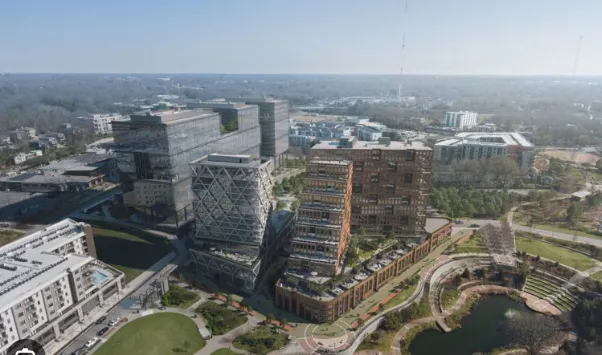
Like many Southern cities, East Point faced periods of social and economic challenge during the mid-20th century. Suburbanization, changes in transportation, and economic shifts affected population and local businesses.
Despite these challenges, East Point remained resilient. Strong community organizations, churches, and local leadership worked to preserve neighborhoods and promote reinvestment. The city’s diverse population and civic engagement have been key forces in shaping its recovery and renewal.
Modern Revitalization and Economic Renewal in East Point
In recent decades, East Point has undergone significant revitalization. Investments in historic downtown areas, public infrastructure, and transit-oriented development— especially around MARTA stations—have attracted new residents and businesses.
Downtown East Point has seen renewed energy with restaurants, small businesses, and cultural spaces contributing to a walkable, community-focused environment. Housing redevelopment and city planning initiatives aim to balance growth with preservation, ensuring long-term economic stability.
Today, East Point benefits from its strategic location, transportation access, and growing role in the broader Atlanta economy.
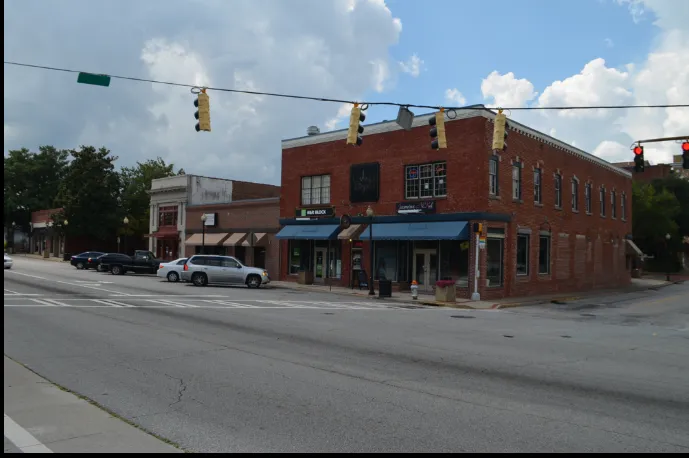
East Point’s Modern Revitalization and Architectural Preservation
Despite its challenges, East Point has made significant strides toward revitalization in recent years. Efforts to preserve its architectural heritage are evident in the restoration of iconic buildings such as the Guardian Building and the Fisher Building. These landmarks reflect East Point’s vibrant past and are now symbols of its ongoing recovery.
East Point’s comeback story is marked by new developments in industries like technology and real estate, as well as cultural renewal. The city’s downtown area has seen significant investment, with new businesses and creative ventures springing up. Though the city still faces challenges, East point remains a testament to resilience, and its history serves as a foundation for its promising future.

Conclusion
East Point, Georgia, is a city shaped by transportation, strengthened by community, and driven by resilience. From its founding as a railroad junction to its role alongside one of the world’s busiest airports, East Point has continually adapted to change. While facing economic and social challenges over time, the city’s ongoing revitalization reflects a strong commitment to growth, opportunity, and preservation. East Point stands today as an important and evolving part of metro Atlanta’s history and future.
Questions and Answers about East Point, Georgia
Q. What is the history of East Point, Georgia?
A. East Point was founded in the 1870s as a railroad community and incorporated in 1890. Its growth was driven by transportation, proximity to Atlanta, and later, aviation and logistics.
Q. Why is East Point important to the Atlanta area?
A. East Point’s strategic location along major rail lines and near Hartsfield-Jackson Atlanta International Airport makes it a key transportation and economic hub within metro Atlanta.
Q. How has East Point’s economy evolved?
A. The economy evolved from rail-based commerce to aviation, logistics, public services, and small business development, supported by recent revitalization efforts and transit access.
Q. What is significant about East Point’s revitalization?
A. Revitalization focuses on downtown redevelopment, MARTA-centered growth, infrastructure improvements, and community-driven planning—helping strengthen the local economy while preserving neighborhood character.

Written By: E. Bel
Tax professional and manager with 12+ years experience in the tax industry





Up Next >
Up Next >
Monday - Friday: 10:00 AM - 7:00 PM
Saturday: 10:00 AM - 7: 00 PM
Sunday: 12:00-6:00 Pm




The History of East Point, Atlanta Georgia
Introduction: The Rich History of East Point, Atlanta Georgia
East Point, Georgia, is a historic city with deep roots in transportation, industry, and community growth. Located just southwest of downtown Atlanta, East Point has played an important role in the development of the Atlanta metropolitan area. From its beginnings as a railroad town in the 19th century to its modern revitalization efforts, East Point’s story reflects resilience, transformation, and a strong sense of local identity.
Though smaller than Atlanta itself, East Point has long been a strategic location —shaped by railroads, aviation, and commerce—and continues to evolve as a vibrant city within one of the fastest-growing regions in the United States.
The Founding of East Point: A Railroad Community (1870s)
East Point was established in the 1870s as a railroad junction. Its name comes from its location as the easternmost point of the Atlanta & West Point Railroad. This strategic position made it a natural hub for transportation, trade, and settlement.
The arrival of the railroad transformed the area from farmland into a growing town. Workers, merchants, and families settled near the rail lines, and East Point quickly developed as a residential and commercial center connected directly to Atlanta’s expanding economy.
Growth and Development in the Late 19th and Early 20th Centuries
By the late 1800s and early 1900s, East Point experienced steady growth. The city incorporated in 1890, establishing local government and public services. Its proximity to Atlanta allowed residents to benefit from economic opportunities while maintaining a distinct community identity.
Homes, schools, churches, and small businesses flourished, creating neighborhoods that still define East Point today. The city became known as a stable working- and middle-class community, supported by railroad jobs, manufacturing, and later, aviation -related industries.
Transportation and Aviation: The Influence of Hartsfield- Jackson
One of the most significant factors shaping East Point’s modern history is its close relationship with Hartsfield-Jackson Atlanta International Airport—one of the busiest airports in the world.
As air travel expanded in the mid-20th century, the airport’s growth brought jobs, infrastructure investment, and economic activity to East Point. While airport expansion also posed challenges for nearby neighborhoods, it firmly positioned East Point as an important transportation and logistics center within metro Atlanta..
Social Change, Challenges, and Community Resilience
Like many Southern cities, East Point faced periods of social and economic challenge during the mid-20th century. Suburbanization, changes in transportation, and economic shifts affected population and local businesses.
Despite these challenges, East Point remained resilient. Strong community organizations, churches, and local leadership worked to preserve neighborhoods and promote reinvestment. The city’s diverse population and civic engagement have been key forces in shaping its recovery and renewal.
Modern Revitalization and Economic Renewal in East Point
In recent decades, East Point has undergone significant revitalization. Investments in historic downtown areas, public infrastructure, and transit-oriented development— especially around MARTA stations—have attracted new residents and businesses.
Downtown East Point has seen renewed energy with restaurants, small businesses, and cultural spaces contributing to a walkable, community-focused environment. Housing redevelopment and city planning initiatives aim to balance growth with preservation, ensuring long-term economic stability.
Today, East Point benefits from its strategic location, transportation access, and growing role in the broader Atlanta economy.
East Point’s Modern Revitalization and Architectural Preservation
Despite its challenges, East Point has made significant strides toward revitalization in recent years. Efforts to preserve its architectural heritage are evident in the restoration of iconic buildings such as the Guardian Building and the Fisher Building. These landmarks reflect Detroit’s vibrant past and are now symbols of its ongoing recovery.
East Point’s comeback story is marked by new developments in industries like technology and real estate, as well as cultural renewal. The city’s downtown area has seen significant investment, with new businesses and creative ventures springing up. Though the city still faces challenges, East Point remains a testament to resilience, and its history serves as a foundation for its promising future.

Conclusion
East Point, Georgia, is a city shaped by transportation, strengthened by community, and driven by resilience. From its founding as a railroad junction to its role alongside one of the world’s busiest airports, East Point has continually adapted to change. While facing economic and social challenges over time, the city’s ongoing revitalization reflects a strong commitment to growth, opportunity, and preservation. East Point stands today as an important and evolving part of metro Atlanta’s history and future.
Question and Answers about East Point ,Ga
Q. What is the history of East Point, Georgia?
A. East Point was founded in the 1870s as a railroad community and incorporated in 1890. Its growth was driven by transportation, proximity to Atlanta, and later, aviation and logistics.
Q. Why is East Point important to the Atlanta area?
A. East Point’s strategic location along major rail lines and near Hartsfield-Jackson Atlanta International Airport makes it a key transportation and economic hub within metro Atlanta.
Q. How has East Point’s economy evolved?
A. The economy evolved from rail-based commerce to aviation, logistics, public services, and small business development, supported by recent revitalization efforts and transit access.
Q. What is significant about East Point’s revitalization?
A. Revitalization focuses on downtown redevelopment, MARTA-centered growth, infrastructure improvements, and community-driven planning—helping strengthen the local economy while preserving neighborhood character.
Written By: E. Bel.
Tax professional and manager with 12+ years experience in the tax industry
(678) 677-2892
2049 Stanton Rd, Atlanta, GA 30344
Service Hours
Monday - Friday: 10:00 AM - 7:00 PM
Saturday: 10:00 AM - 7:00 PM
Sunday: 12:00 - 6:00 PM
Social Media